Program-at-a-Glance
Program-at-a-Glance
Program-at-a-Glance
See What’s on Schedule at HRX 2024
Events
September 18, 2026
 07:30 AM (EDT)
– 09:10 AM (EDT)
07:30 AM (EDT)
– 09:10 AM (EDT)
 Main Stage 1
Innovation Summit Session I: Mapping, Imaging, and Ablation
Innovation Summit Session I: Mapping, Imaging, and Ablation
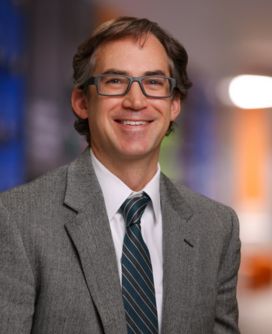
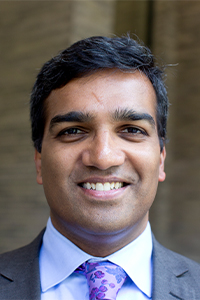
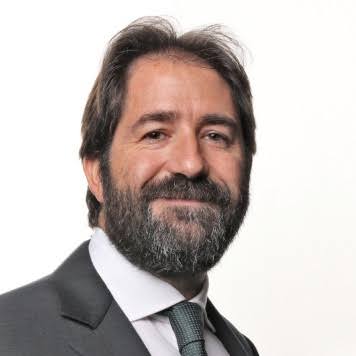
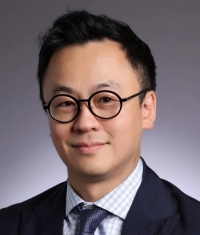
Devi Nair | Prashanthan Sanders | Matthieu De Beule | Marco Götte | David Kenigsberg | Olurotimi Mesubi | Théophile Mohr Durdez | Sanjiv Narayan | Jonathan Piccini | Vivek Reddy | Ivo Roca-Luque | Kyungmoo Ryu
A rapid-fire tour of the technologies reshaping AF care. From predictive planning and 4D imaging to global mapping, digital models, novel PFA, neuromodulation, and semi-autonomous ablation. Innovators will show what is ready now, what is approaching the clinic, and what could redefine the procedure.
Click on the session title to learn more and see a full agenda for this Innovation Summit session.



09:10 AM (EDT)
– 12:00 PM (EDT)
Main Stage 1
Innovation Summit Session II: Beyond Conventional EP – PFA, Devices, Access, and Stroke Prevention
Innovation Summit Session II: Beyond Conventional EP – PFA, Devices, Access, and Stroke Prevention
Devi Nair | Prashanthan Sanders | Andre d’Avila | Tina Baykaner | Kenneth Civello | Michael Curley | Matthew Hakimi | James Ip | Prapa Kanagaratnam | Steven Mickelsen | Jonathan Piccini | Ishu Rao | Vivek Reddy | Nicholas Serafini | Wilber Su | Rob Taft | Usha Tedrow | J. Peter Weiss | Jeffrey Winterfield | Ian Woollett
The Innovation Summit continues across the expanding boundaries of EP: new PFA strategies, non-invasive mapping, ventricular ablation, LAA therapy, physiologic pacing, pericardial access, imaging, sleep-apnea workflows, and stroke prevention. Short, focused presentations will highlight technologies with credible paths to clinical impact.
Click on the session title to learn more and see a full agenda for this Innovation Summit session.
01:00 PM (EDT)
– 01:10 PM (EDT)
Main Stage 1
Opening Remarks
Opening Remarks
Jonathan Piccini | Prashanthan Sanders
Kick off the First Day of HRX Live 2026 with Executive Producer Dr. Jonathan Piccini and Co-Producer Dr. Prashanthan Sanders. They’ll highlight emerging themes from across the meeting and share the conversations generating the most excitement. Get an insiders preview of the can’t-miss sessions still ahead as HRX Live continues to explore the future of cardiovascular care.
01:10 PM (EDT)
– 01:55 PM (EDT)
Main Stage 1
Computable Cardiology: How AI is Transforming the Future of Cardiovascular Medicine
Computable Cardiology: How AI is Transforming the Future of Cardiovascular Medicine
Murali Aravamudan | Jonathan Piccini
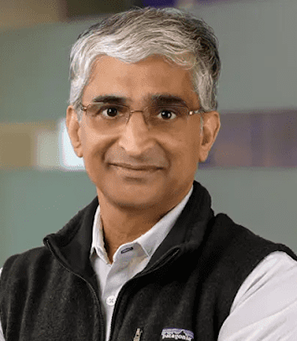
Murali Aravamudan, Co-Founder and CEO of nference, joins Dr. Jonathan Piccini for a visionary main tent conversation exploring how artificial intelligence is redefining cardiovascular medicine. A serial entrepreneur and engineer with a track record of building transformative technology companies, Murali has turned his focus to life sciences through nference and its affiliated ventures, leveraging AI to make biomedical knowledge computable at unprecedented scale.
Together, Murali and Dr. Piccini will examine how massive multimodal datasets—from electronic health records to imaging, genomics, and physiologic signals—are enabling a new era of predictive and precision cardiovascular care. The discussion will explore the intersection of AI, electrophysiology, and translational innovation, including how partnerships between technology companies, health systems, and clinicians can accelerate discovery and improve patient outcomes. Attendees will gain insight into the opportunities and challenges of implementing AI in real-world practice, the evolving role of data-driven medicine, and what the next decade of intelligent cardiovascular care may look like.
02:00 PM (EDT)
– 02:45 PM (EDT)
Main Stage 1
Is AF Mapping Ready for Routine Clinical Procedure?
Is AF Mapping Ready for Routine Clinical Procedure?
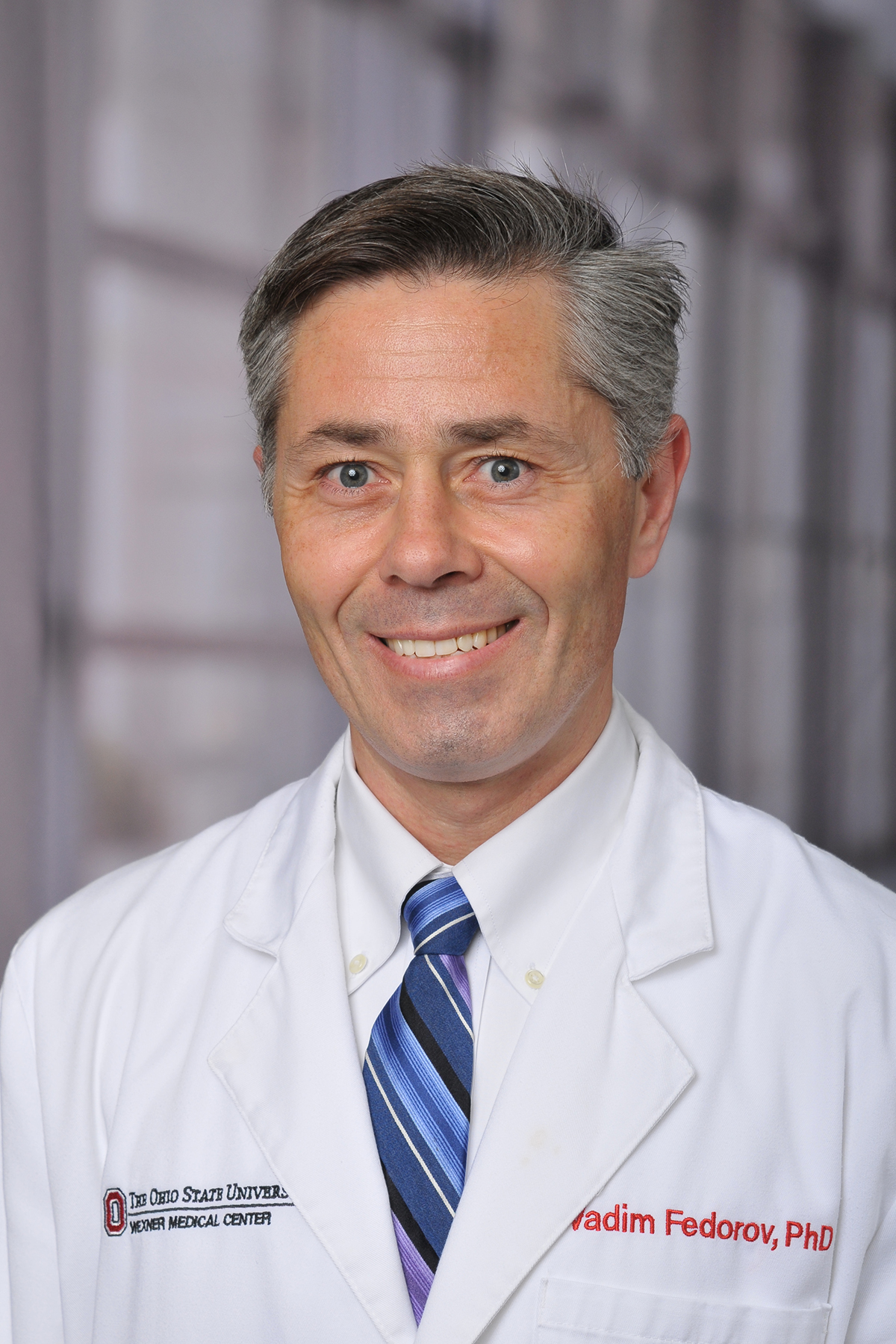
Sanjiv Narayan | Isabel Deisenhofer | Vadim Fedorov | Prapa Kanagaratnam | Saar Moisa | Shlomo Shpun
Electrophysiologists have been trying to map atrial fibrillation for many years, but almost all of these efforts have fallen short. This session will discuss how new innovations may allow more accurate and informative mapping of fibrillatory conduction and thereby enable innovations in ablative therapy as well.
02:00 PM (EDT)
– 02:45 PM (EDT)
Main Stage 2
AI in Arrhythmia Care: Opportunities, Pitfalls, and Practical Applications for Allied Professionals
AI in Arrhythmia Care: Opportunities, Pitfalls, and Practical Applications for Allied Professionals
Adrian Elliott | Rodolphe Katra | Alicia C. Rodriguez | Sean Shoffstall | Yekaterina Spivak | Erika Zado
Artificial intelligence is reshaping how we detect, diagnose, and manage arrhythmias—but what is the role of digital transformation in achieving sustainable healthcare delivery? This session unpacks the promise and the challenges of AI in heart rhythm care, from wearable devices that flag arrhythmias in real time to decision-support algorithms that guide risk assessment and personalized therapy. Participants will discuss common challenges (including bias, data privacy, and workflow integration) and explore practical ways to harness AI tools for patient care, device management, and interprofessional collaboration. This session is designed to appeal to all clinicians on the heart rhythm team.

02:00 PM (EDT)
– 02:45 PM (EDT)
Roundtable 1
Making AFib Care Pathways Work: From Evidence to Execution Across Real-World Settings – Powered by Johnson & Johnson MedTech
Making AFib Care Pathways Work: From Evidence to Execution Across Real-World Settings – Powered by Johnson & Johnson MedTech
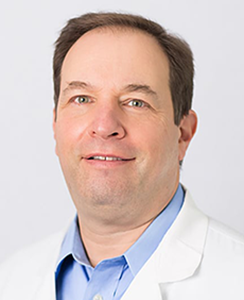
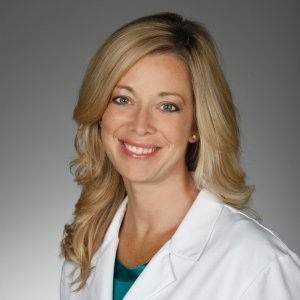
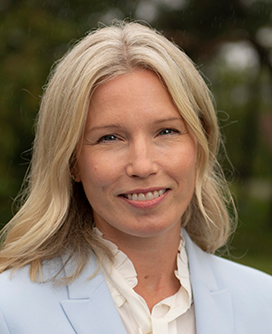
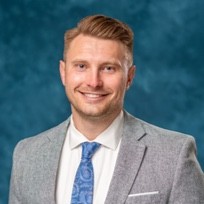
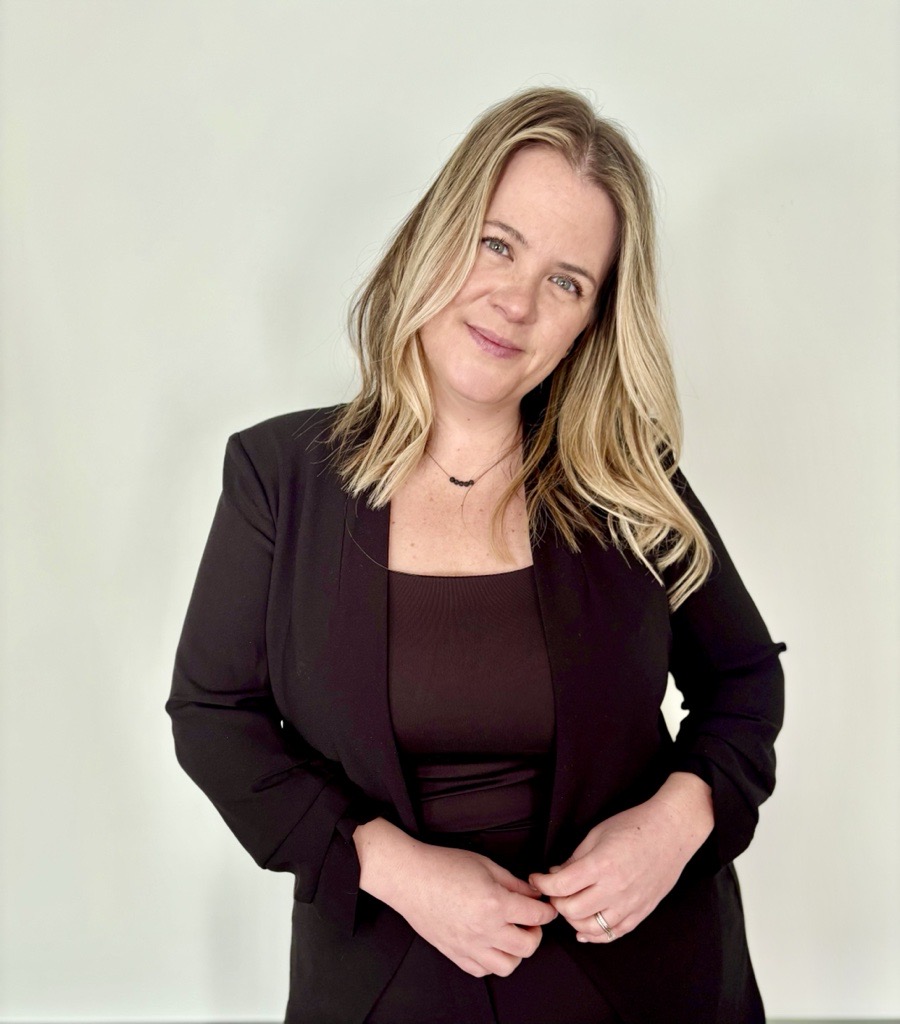
Jamie Treskot | T. Jared Bunch | Edward Gerstenfeld | Andrea Robinson | Emma Svennberg
What does the future of AFib care actually look like? Strong evidence supports early rhythm control, but adoption remains inconsistent due to gaps in execution, coordination, and access. This roundtable will explore how to translate evidence into scalable, real-world care delivery.
02:00 PM (EDT)
– 02:45 PM (EDT)
Roundtable 2
Consumer Design in Rhythm Monitoring: Unlocking Opportunities in Agentic AI, Treatment Optimization and Research – Powered by Wearlinq
Consumer Design in Rhythm Monitoring: Unlocking Opportunities in Agentic AI, Treatment Optimization and Research – Powered by Wearlinq
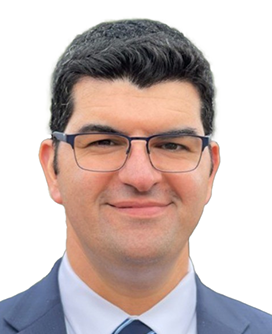
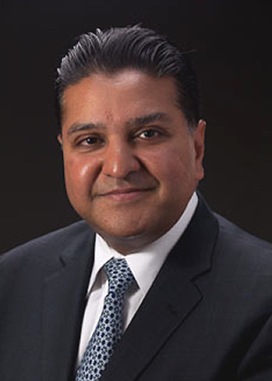
Albert Rogers | Zachi Itzhak Attia | Rex Gale | Suneet Mittal | Konrad Morzkowski | Jeanne Poole | Samuel F. Sears
Continuous rhythm monitoring paired with a patient-facing app turns a single diagnostic episode into an always-on platform. Imagine 24/7 access to quantified rhythm data, raw ECG, and patient-reported input — symptoms, wellbeing, adherence — in one stream. The question this roundtable puts to the room: with that foundation in place, what would you build?

02:00 PM (EDT)
– 02:45 PM (EDT)
Roundtable 3
Drowning in Alerts: How AI Is Redefining What Deserves Clinical Attention in Remote Monitoring – Powered by Implicity
Drowning in Alerts: How AI Is Redefining What Deserves Clinical Attention in Remote Monitoring – Powered by Implicity
Manish Wadhwa | Tina Baykaner | David Duncker | Rakesh Gopinathannair | Joshua Lampert | Elaine Wan
Managing the influx of ILR transmissions requires a delicate balance between sensitivity and workflow efficiency. This roundtable will explore the frontline battle against data deluge, debating the efficacy of built-in manufacturer algorithms versus integrated third-party platforms. Panelists will share insights on how to streamline triage workflows and identify the most effective strategies for actionable cardiac monitoring.

02:50 PM (EDT)
– 03:35 PM (EDT)
Roundtable 2
Beyond Alerts: Building the Continuous Cardiovascular Care Platform – Powered by 91Life
Beyond Alerts: Building the Continuous Cardiovascular Care Platform – Powered by 91Life
G. Stuart Mendenhall | Kelly Arps | Bleron Baraliu | Thomas Deering | Gerhard Hindricks | Jessica Mullenix
Remote monitoring was originally designed to detect device problems. Today it has the potential to become the digital backbone for managing atrial fibrillation, heart failure, hypertension, obesity, sleep apnea, and post-procedure follow-up. This discussion explores how health systems can build integrated, longitudinal care pathways that combine remote monitoring, patient engagement, AI, and care navigation into a single operating model.
02:50 PM (EDT)
– 03:35 PM (EDT)
Roundtable 1
Why Startups Get Stuck Before First-in-Human and How to Fix It – Powered by 3PH Alliance/HRCRS
Why Startups Get Stuck Before First-in-Human and How to Fix It – Powered by 3PH Alliance/HRCRS
J. Peter Weiss | Leanne Bakke | Jose Osorio | Srijoy Mahapatra | Christopher Porterfield
Most MedTech failures happen before first-in-human, not because of bad technology, but because of the wrong preclinical strategy. Startups often overspend on data that doesn’t reduce regulatory risk or move them closer to clinical use. In this session, you’ll learn how to align preclinical, simulation, and regulatory strategy to move faster with less waste.
03:00 PM (EDT)
– 04:20 PM (EDT)
Main Stage 1
Pitch Competition I
Pitch Competition I
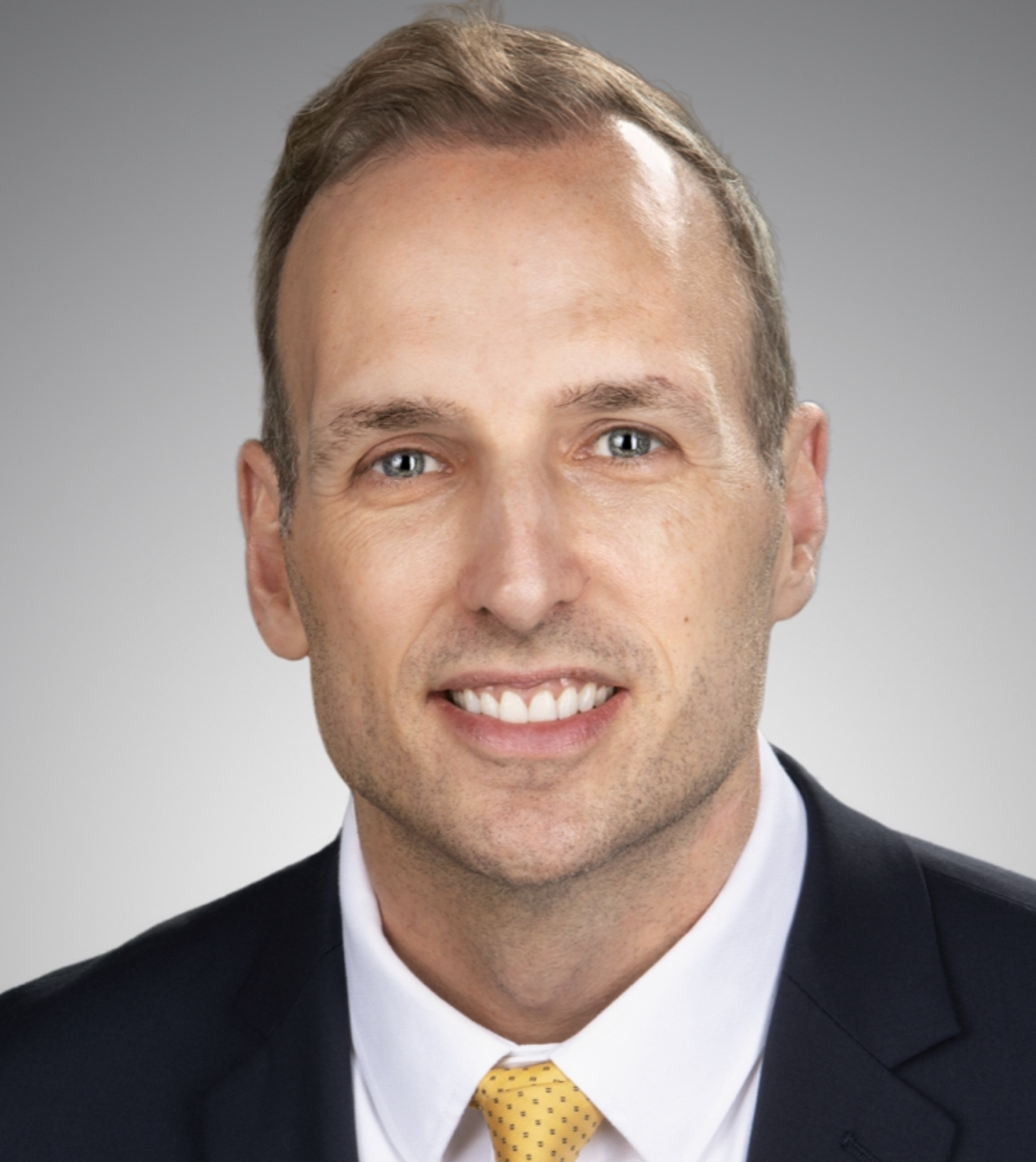
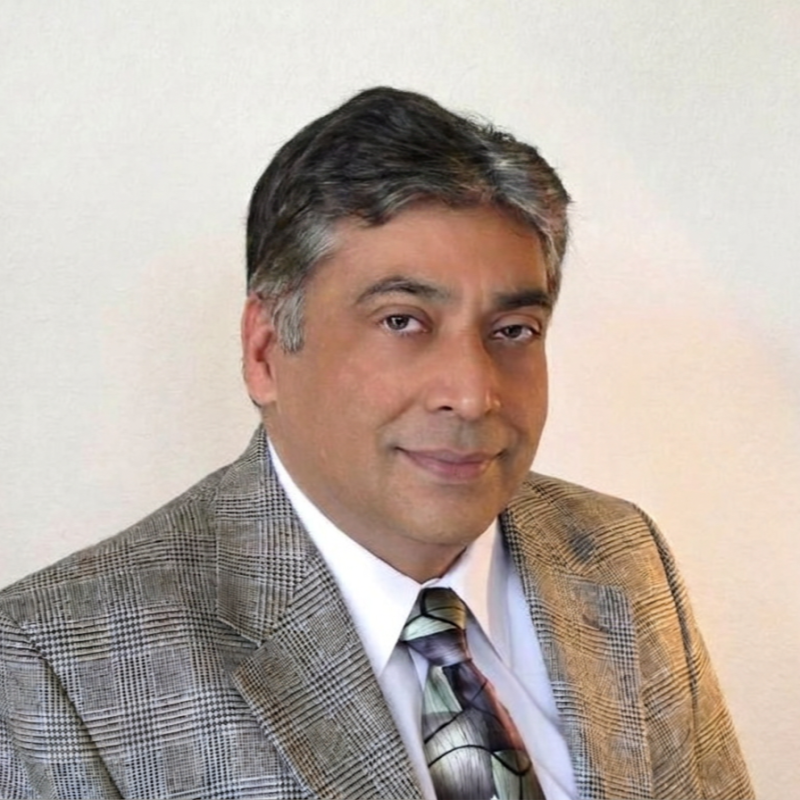
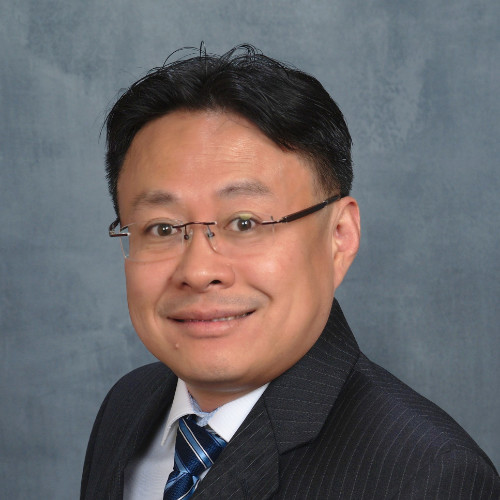
Robert Kowal (Judge) | Kenneth Nelson (Judge) | Peter Noseworthy (Judge) | Mintu Turakhia (Judge) | Sajol Ghoshal | Anna Li | Tony Ma | Sean McCormick | Naoki Tomii
The HRX 2026 Pitch Competition provides cardiovascular startups with a platform to present their innovative products, services, and solutions to a distinguished panel of judges and potential investors and win cash prices. The top five teams selected will compete on the HRX Main Stage. Each team will have ~5-10 minutes to creatively pitch their innovative idea, followed by five minutes to field questions from judges and attendees.

03:30 PM (EDT)
– 03:50 PM (EDT)
HRStv Studio
One Patient, Two Timelines: Rethinking Long-Term Continuous Cardiac Monitoring – Live from HRStv
One Patient, Two Timelines: Rethinking Long-Term Continuous Cardiac Monitoring – Live from HRStv
Nino Isakadze | Chris Irving
The discussion explores the seam between diagnostic ambulatory monitoring and chronic device-based monitoring — where the divide still serves patients, where it’s legacy workflow, and whether “long-term monitoring” needs a sharper definition as durations on both ends keep expanding. We think your perspective on the subject would be central to that conversation.

03:40 PM (EDT)
– 04:00 PM (EDT)
Hyde Park
Hot Takes Exchange: ASCs Will Improve EP Care Delivery and Access
Hot Takes Exchange: ASCs Will Improve EP Care Delivery and Access
Rohit Mehta | Dhanunjaya R. Lakkireddy | Usman Siddiqui
Ambulatory surgical centers have changed the fields of gastroenterology and orthopedics. How will they impact the practice of EP? Will they improve access and quality of care or not? This debate will let two experts hash it out in an engaging exchange.

03:55 PM (EDT)
– 04:40 PM (EDT)
Roundtable 2
Innovating How We Do Research: The HRS Research Network
Innovating How We Do Research: The HRS Research Network
Kenneth Bilchick | Patrick Boyle | Thomas Deneke | Luigi Di Biase | Larry Jackson, II | Valentina Kutyifa | Douglas Packer
What happens when electrophysiologists, engineers, and entrepreneurs co-design the future of arrhythmia care? This session will highlight how the HRS Research Network is enabling large-scale collaborative studies, advancing AI and digital twin models, and leveraging data infrastructure—from clinical trials like CABANA-HF to real-world ECG, EHR, and registry-based analytics—to accelerate discovery and innovation. Join us to explore how to engage with this ecosystem and translate cutting-edge technologies into impactful clinical research and practice.

03:55 PM (EDT)
– 04:40 PM (EDT)
Roundtable 1
Drug Development for Arrhythmias: From Symptom Relief to Digital-Era Outcomes – Powered by Milestone Pharmaceuticals
Drug Development for Arrhythmias: From Symptom Relief to Digital-Era Outcomes – Powered by Milestone Pharmaceuticals
Gregory Marcus | Brynn Dechert-Crooks | James Ip | Oliver Monfredi | Andrea Russo | Kamala Tamirisa
As the management of supraventricular tachycardia (SVT) evolves, advances in drug development, digital health technologies, and patient-centered care are reshaping the acute treatment pathway. This interactive
roundtable will explore how emerging therapies, innovative outpatient management strategies, and integration with wearable technologies may improve patient outcomes, optimize healthcare utilization, and redefine the transition from symptom relief to definitive arrhythmia care.

04:30 PM (EDT)
– 04:50 PM (EDT)
Hyde Park
Hot Takes Exchange: The 12-lead ECG Has Been Around For a While, Can’t We Find Something Better?
Hot Takes Exchange: The 12-lead ECG Has Been Around For a While, Can’t We Find Something Better?
Mehak Dhande | Zak Loring | Gaurav Upadhyay
The 12-lead electrocardiogram has been the ultimate innovation in the field of electrophysiology. Yet, it has remained essentially unchanged for over 75 years. Will something better replace it – potentially in our lifetime? This debate will let two experts hash it out in an engaging exchange.

04:45 PM (EDT)
– 05:30 PM (EDT)
Main Stage 1
Can Gene Therapy Deliver the Promise of Personalized EP Therapy?
Can Gene Therapy Deliver the Promise of Personalized EP Therapy?
Dominic Abrams | Vassilios Bezzerides | Brynn Dechert-Crooks | Nathan Miller | Jason Roberts | Jonathan Schwartz
Cardiac genetics offers a compelling test case for digitally enabled precision medicine—where the convergence of genomics and continuous data has the potential to fundamentally reshape how risk is understood, monitored, and managed. This session will explore these themes as well as the potential for interventional therapies that can fundamentally change outcomes.
04:45 PM (EDT)
– 05:30 PM (EDT)
Roundtable 3
The Next Generation of Ambulatory ECG Monitoring and Virtual Arrhythmia Detection – Powered by HelpWear
The Next Generation of Ambulatory ECG Monitoring and Virtual Arrhythmia Detection – Powered by HelpWear
Ambarish Pandey | Ilyas Colombowala | Derek Exner | Martha G. Ferrara | Rod Passman | Hee Tae Yu
This session will examine the next wave of ambulatory ECG monitoring technologies designed to address the diagnostic, workflow, and patient-experience gaps that persist despite the maturation of patch-based and implantable solutions. Faculty will discuss where current options fall short for key patient populations (e.g. cryptogenic stroke, recurrent unexplained syncope, low-yield palpitation workups) and what device, signal-quality, and integration requirements must be met before a new option can earn a place in the standard EP toolkit.
04:45 PM (EDT)
– 05:30 PM (EDT)
Roundtable 1
New Autonomic Approaches to Complement Arrhythmia Care – Powered by SymKardia
New Autonomic Approaches to Complement Arrhythmia Care – Powered by SymKardia
Prashanthan Sanders | Kelly Arps | Malcolm Finlay | Marat Fudim | Jonathan Piccini | Vivek Y. Reddy | Kalyanam Shivkumar
The session will explore the evolving role of autonomic neuromodulation as a complementary strategy to traditional ablation and pharmacologic therapies for complex, recurrent arrhythmias. Panelists will discuss emerging approaches, with particular focus on the potential for beneficial effects of sympathetic pathway attenuation at the level of ansa subclavia, a nerve bundle in the paravertebral sympathetic chain, highlighting its promise for reducing arrhythmia recurrence and addressing current limitations of existing therapies.
04:45 PM (EDT)
– 05:30 PM (EDT)
Roundtable 2
From Hype to Impact: How AI Can Standardize EP Workflows—and Help Treat the Complex AF Patient – Powered by Volta Medical
From Hype to Impact: How AI Can Standardize EP Workflows—and Help Treat the Complex AF Patient – Powered by Volta Medical
Paul Zei | Tina Baykaner | Kristie Coleman | Isabel Deisenhofer | Christopher Liu | Théophile Mohr Durdez
AI is rapidly entering EP labs but its real test is whether it can standardize complex workflows and expand access to care. This roundtable separates hype from impact and explores how AI-enabled pathways can help find, refer, and treat the complex AF patients who make up the “untreated majority.” The discussion will also examine how reimbursement and coverage considerations influence the adoption, scalability, and patient access of these emerging technologies.


04:45 PM (EDT)
– 05:30 PM (EDT)
Main Stage 2
Permanent Pacing but not for Bradycardia
Permanent Pacing but not for Bradycardia
Robert Kowal | Daniel J. Friedman | Karl-Heinz Kuck | Margaret Infeld | Daniel L. Lustgarten | Andrea Russo
For decades pacing has been used primarily to treat disorders of impulse formation and conduction. In the future, that will change as permanent pacing enters a new area where we try and modify and improve circulatory function by modulating more than conduction alone. This session will examine some of the most innovating and paradigm- changing concepts in pacing.
05:45 PM (EDT)
– 06:45 PM (EDT)
Abstract Happy Hour – Main Stage 1, Main Stage 2, Roundtable 1, Roundtable 2, Roundtable 3, ConneXions Lounge
HRX Abstract Happy Hour I – Powered by 91Life
HRX Abstract Happy Hour I – Powered by 91Life
Neal Bhatia | Yaariv Khaykin | Bradley Knight | Anne Kroman | Nishaki Mehta | Kamala Tamirisa | Michel Abou Khalil | Moez Alnazeer | Simrat Arora | Ulrika Borgerdotter-Green | Jian Cao | Brandon Doty | Alex El Darzi | Carlo El-Khoury | Hassan Elshirbiny | Muhammad Fazal | Masato Hachisuka | Sylvia Hanna | Gene Hu | Sei Iwai | Amy Kleinhans | Yingshuo Liu | Abhishek Maan | Mary Maleckar | Andrew Nguyen | Jonathan Piccini | Cara Schaaf | Amber Seiler | Hiroshi Seno | Nicholas Sommers | Ana Sopa | Anand Thiyagarajah | Venkatakrishna Tholakanahalli | Nestor Vasquez | Jeffrey Winterfield
The HRX Abstract Happy Hour session, powered by 91Life, kicks off with opening remarks from 91Life. Following the introduction, abstract presenters will present their work in an informal, lively, and engaging setting designed to foster connection and conversation. Click on the session to see the full presentation information and timing.

September 19, 2026
07:50 AM (EDT)
– 08:00 AM (EDT)
Main Stage 1
Saturday Opening Remarks
Saturday Opening Remarks
Jonathan Piccini | Prashanthan Sanders
Kick off Day 2 of HRX Live 2026 with Executive Producer Dr. Jonathan Piccini and Co-Producer Dr. Prashanthan Sanders as they reflect on some of the memorable moments, bold ideas, and key takeaways from Friday’s sessions. They’ll highlight emerging themes from across the meeting and share the conversations generating the most excitement. Get an insiders preview of the can’t-miss sessions still ahead as HRX Live continues to explore the future of cardiovascular care.
08:00 AM (EDT)
– 08:45 AM (EDT)
Main Stage 1
Scaling Innovation: Leadership, Strategy, and the Future of Cardiac Arrhythmia Care
Scaling Innovation: Leadership, Strategy, and the Future of Cardiac Arrhythmia Care
Rebecca Seidel | Suneet Mittal
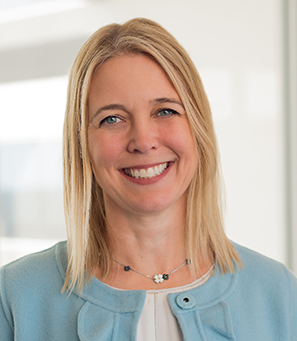
Rebecca Seidel, Senior Vice President and President of Cardiac Ablation Solutions at Medtronic, joins Dr. Suneet Mittal for a dynamic main tent conversation focused on what it takes to scale innovation in one of the fastest-growing sectors in MedTech. With more than two decades of leadership experience and oversight of a billion-dollar global business, Rebecca has led major acquisitions, accelerated innovation pipelines, and driven the commercialization of transformative cardiac technologies.
Together, Rebecca and Dr. Mittal will explore how organizations can successfully bridge the gap between breakthrough concepts and real-world clinical impact. The discussion will examine the strategic decisions behind building and integrating innovation, navigating market disruption, fostering high-performing teams, and shaping the future of cardiac ablation technologies. Attendees will gain insight into leadership at scale, the evolving competitive landscape in electrophysiology, and how industry leaders are positioning the next generation of therapies to improve outcomes for patients worldwide.
08:50 AM (EDT)
– 09:35 AM (EDT)
Roundtable 3
Advances in Optimizing Conduction System Pacing – Powered by AliveCor
Advances in Optimizing Conduction System Pacing – Powered by AliveCor
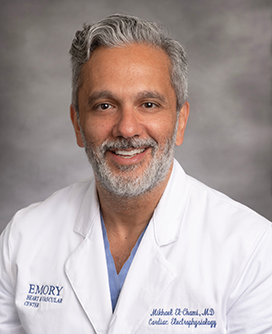
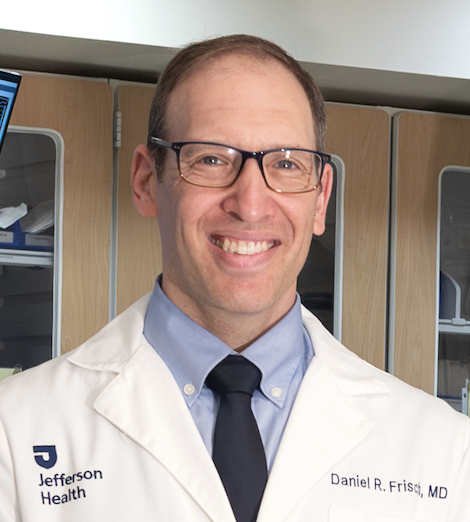
Eugene Chung | Neal Bhatia | Mikhael El-Chami | Daniel Frisch | Nino Isakadze | Ajay Pillai | Alan Sugrue | Pugazhendhi Vijayaraman
Conduction system pacing promises more physiologic activation—but reliable implantation is only part of the challenge. This roundtable will examine the tools, signals, and strategies needed to target the conduction system, confirm true capture, optimize programming, and avoid ineffective or misleading results. Experts will debate what constitutes procedural success and how better implantation and verification can translate into durable clinical benefit.

08:50 AM (EDT)
– 09:35 AM (EDT)
Roundtable 2
From First-in-Human to Real Use: Why MedTech Innovations Stall – Powered by 3PH Alliance/HRCRS
From First-in-Human to Real Use: Why MedTech Innovations Stall – Powered by 3PH Alliance/HRCRS
Babak Nazer | David Krummen | Michael Lesh | Jason Moore | Joe Sasson | Rebecca Seidel | Paul Wang
Many MedTech companies generate clinical data and still fail to gain traction because their evidence does not align with how care is actually delivered, evaluated, and paid for. Health systems, physicians, and
administrators are not asking for more data, they are asking for clarity on outcomes, workflow impact, and economic value. This roundtable brings together provider, regulatory, and clinical strategy perspectives to unpack why evidence fails to influence real decisions and what it takes to build a case that drives use in practice.
08:50 AM (EDT)
– 09:35 AM (EDT)
Roundtable 1
AI Is Ready. Are We? Rethinking Cardiac Monitoring, Automation, and Research in the Intelligence Era – Powered by PaceMate
AI Is Ready. Are We? Rethinking Cardiac Monitoring, Automation, and Research in the Intelligence Era – Powered by PaceMate
Camille Frazier-Mills | Eugene Fu | Anne Kroman | Gregory Marcus | Lisa Roelle | Sean Shoffstall | Benjamin Steinberg
Cardiac electrophysiology is sitting on an unprecedented volume of data from CIEDs, remote monitoring platforms, EHRs, and registries, and AI promises to transform how we make sense of it. Yet the gap between algorithmic capability and real-world clinical adoption remains stubbornly wide, and closing it demands honest conversation about data quality, equity, and operational readiness. This roundtable brings together clinicians, researchers, and industry innovators to challenge assumptions, surface blind spots, and define what it will actually take to move AI from promising to practice.

08:50 AM (EDT)
– 09:35 AM (EDT)
Main Stage 2
Social Robotica and Future of Patient Education as Part of Innovative Care Models
Social Robotica and Future of Patient Education as Part of Innovative Care Models
Alessandra Pina | Sirena Bridges | Trudie Lobban | Emma Svennberg | Ajay Tripuraneni | Mellanie True Hills | Kathryn Wood
This discussion explores how socially assistive robotics (“social robotica”) can enhance patient education by delivering consistent, personalized, and engaging coaching at the bedside, in clinics, and at home. We’ll review current use cases (e.g., medication adherence, rehab support, patient information, risk factor and lifestyle modification, chronic disease self-management), what the evidence says about patient outcomes and equity, and how robots can integrate with care teams and digital health tools. Participants will discuss practical design and implementation considerations—workflow fit, accessibility, privacy, trust, and safety—and leave with a framework for evaluating where social robots add real value in integrated care.
08:50 AM (EDT)
– 09:35 AM (EDT)
Main Stage 1
Seeing the Future with ICE
Seeing the Future with ICE
Tina Baykaner | Christoph Hennersperger | Josef Kautzner | Dhanunjaya R. Lakkireddy | Paul Zei
Catheter-based treatment of cardiac arrhythmias and Left Atrial Appendage Occlusion has seen tremendous advances in the past decade, lastly with a stronger trend toward integrated concomitant procedures. This session will review where today’s workflows are challenged using different guidance solutions as well as the trend toward more integrated and combined procedures, and the need for reliable, intuitive, and precise navigation as a key requirement for optimal treatment.
09:30 AM (EDT)
– 10:15 AM (EDT)
Roundtable 3
The Time Behind the Tasks: APPs and the 32 Steps of Remote Monitoring – Powered by Vector Remote
The Time Behind the Tasks: APPs and the 32 Steps of Remote Monitoring – Powered by Vector Remote
Krishna Pundi | Aileen Ferrick | Kevin Hoffman | Amy Kleinhans | David Lin | Jessica Mullenix | Amy Tucker
Explore the reconciliation of time associated with the 32 tasks outlined in the HRS consensus statement on remote monitoring, with a specific focus on the realities of advanced practice provider workflows in EP clinics. This discussion will examine how time is distributed across these tasks, where hidden or unreimbursed work occurs, and how clinics can better define, measure, and align APP effort with operational and clinical expectations. Participants will share practical strategies for workload assessment, role optimization, and staffing models that support efficient, high-quality remote monitoring programs while recognizing the critical contribution of APPs.
09:40 AM (EDT)
– 10:25 AM (EDT)
Main Stage 1
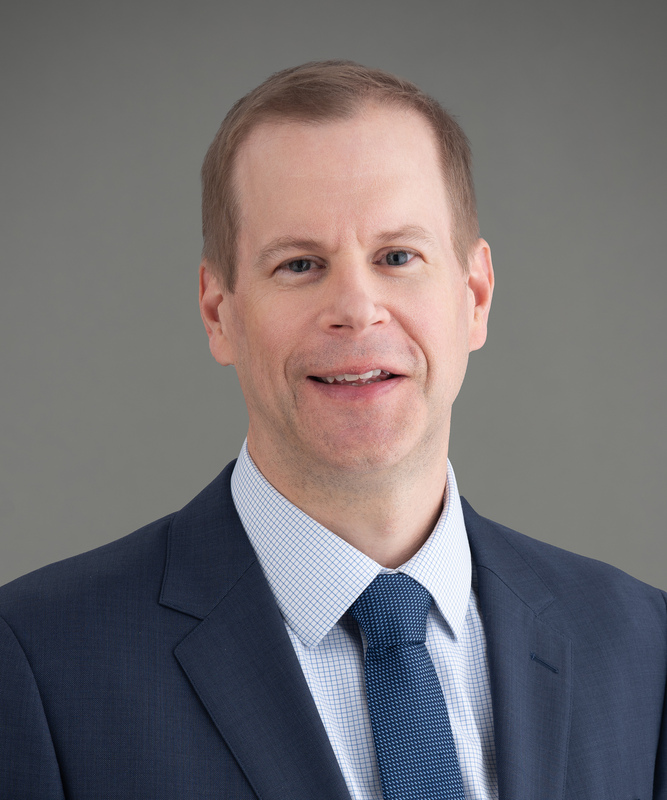
Reimbursement for AI Tools in Arrhythmia Care
Reimbursement for AI Tools in Arrhythmia Care
Christopher Liu | Zachi Attia | Matthew Kalscheur | Suraya Hani Kamsani | Kalyanam Shivkumar | Ajay Tripuraneni
Artificial intelligence tools have proliferated in the literature and are beginning to emerge in the clinic and EP lab. They bring value, but how do we pay for them? This session will explore how reimbursement paradigms may need to evolve and innovate as well.

09:40 AM (EDT)
– 10:25 AM (EDT)
Roundtable 1
Accelerating AVIM Therapy for Hypertensive Heart Disease: The Medtronic / Orchestra BioMed Innovation Partnership – Powered by Orchestra Biomed
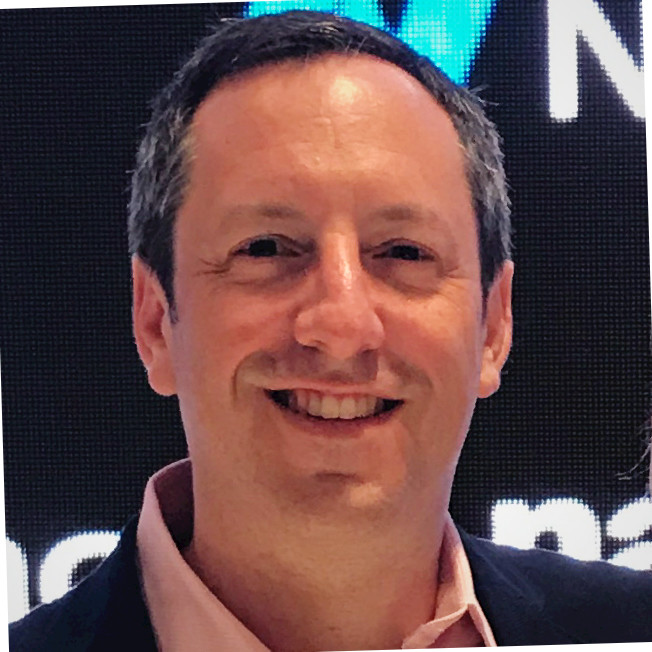
Accelerating AVIM Therapy for Hypertensive Heart Disease: The Medtronic / Orchestra BioMed Innovation Partnership – Powered by Orchestra Biomed
Vivek Y. Reddy (Moderator) | David Hochman | Robert Kowal | Charles Love | Andrea Russo
In the medical device space, risk-reward sharing partnerships are uncommon for technology and clinical evidence development. AVIM therapy provides a unique case study on the benefits of such collaboration in bringing new innovations to market.
09:40 AM (EDT)
– 10:25 AM (EDT)
Roundtable 2
From Promise to Practice: Implementing the Power of ECG-AI in Everyday Care – Powered by Anumana
From Promise to Practice: Implementing the Power of ECG-AI in Everyday Care – Powered by Anumana
Samir Awasthi | Chad Bonhomme | Camille Frazier-Mills | Eleanor Huff | Ambarish Pandey
The methods for AI-interpretation of electrocardiograms and other biosignatures are now well-established. However, implementing them in clinical practice is often an uphill battle. Cutting edge AI technologies that can predict incident atrial fibrillation or the onset of cardiomyopathy have tremendous value . . . but only if they are implemented and impact the patients they have been designed to help. This session moves beyond the individual AI-ECG tools and technologies themselves and focuses on how we can innovate care by putting these tools into everyday clinical practice. The session will foster a vibrant discussion of the challenges, opportunities, and best practices for bringing the power of AI-ECG technologies to all patients.
09:40 AM (EDT)
– 10:25 AM (EDT)
Main Stage 2
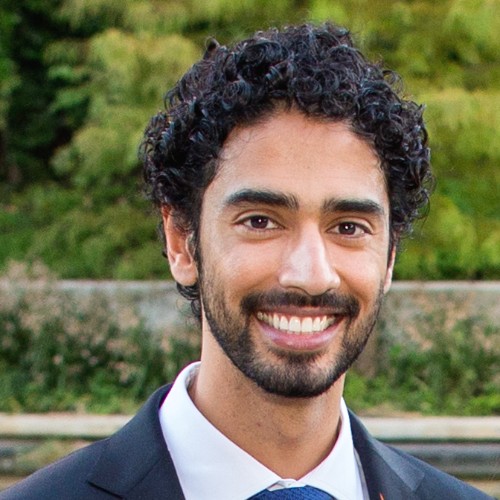
LAA Occlusion Devices: Iterating, Innovating, and Improving
LAA Occlusion Devices: Iterating, Innovating, and Improving
Michael Lesh | Christopher Ellis | James Freeman | Bradley Knight | Venkatakrishna Tholakanahalli
The first transvenous left atrial appendage occlusion device was approved by the FDA in 2015. There has been a lot of progress and change in the field in the subsequent decade. This session will chronicle the evolution of LAAO devices and the key opportunities for improvement and innovation moving forward.
10:25 AM (EDT)
– 10:45 AM (EDT)
Hyde Park
Hot Takes Exchange: Stroke Prevention in 2030 Will Mostly Be: LAAO vs. Pill-in-the-pocket Anticoagulation
Hot Takes Exchange: Stroke Prevention in 2030 Will Mostly Be: LAAO vs. Pill-in-the-pocket Anticoagulation
Kenneth Ellenbogen | Christopher Ellis | Peter J. Zimetbaum
Long gone are the days of vitamin K antagonists as the sole therapy for stroke prevention in persons with atrial fibrillation. How will new anticoagulants, intermittent approaches to anticoagulation, and LAAO change how we prvent stoke in the future? This debate will let two experts hash it out in an engaging exchange.
10:45 AM (EDT)
– 11:30 AM (EDT)
Roundtable 2
Hidden in Plain Sight: Earlier Detection of HFpEF and Cardiac Amyloidosis to Improve AF Ablation and LAAC Outcomes – Powered by Ultromics
Hidden in Plain Sight: Earlier Detection of HFpEF and Cardiac Amyloidosis to Improve AF Ablation and LAAC Outcomes – Powered by Ultromics
T. Jared Bunch | Nazem Akoum | Tina Baykaner | Robert Kowal | Roger Owens | Michael Raccuglia
Patients arrive in the electrophysiology lab carrying diagnoses we can see and conditions we often cannot. Heart failure with preserved ejection fraction (HFpEF) and cardiac amyloidosis (CA) frequently hide behind a presentation of atrial fibrillation, yet both reshape the atrial substrate, the thromboembolic profile, and the durability of the rhythm-control strategies we offer. This roundtable asks a deceptively simple question: if we identified these conditions earlier, before the ablation or the appendage closure, would we make better procedural decisions and achieve better outcomes for our patients?
Using Ultromics’ FDA-cleared EchoGo® platform, which detects HFpEF and cardiac amyloidosis from a single, routinely acquired echocardiographic view, the panel will work through how earlier phenotyping could refine candidate selection, pre-procedure patient management, periprocedural planning, and anticoagulation strategy for AF ablation and LAAC. The discussion is designed to be candid and clinically grounded: where the evidence supports a change in practice, where it does not yet, and what an EP-ready screening workflow would actually look like.
10:45 AM (EDT)
– 11:30 AM (EDT)
Roundtable 1
Matching the Monitoring Tool to the Clinical Question: Software-Led ECG Analytics in Practice – Powered by AccurKardia
Matching the Monitoring Tool to the Clinical Question: Software-Led ECG Analytics in Practice – Powered by AccurKardia
Nicholas Peters | Kenneth Civello | Joshua Lampert | Jennifer Pena | Christian Sohns | Natalia Trayanova | Manish Wadhwa
Mobile cardiac telemetry and near-real-time analytics offer clinical value that remains underused. But recommending real time analysis for every patient produces alert fatigue, unnecessary cost, and noise that erodes clinician trust, while defaulting to retrospective analysis risks missing the signals that demand same-day action. This session asks where real-time monitoring meaningfully changes care, where Holter and extended Holter studies remain the better choice, and what medical-grade analytics, and notification configurations must deliver to make real-time something clinicians can trust and act on. This roundtable reframes real-time versus retrospective monitoring from a winner-take-all debate into a more useful question: which approach fits which clinical scenario. Bringing electrophysiologists, general cardiologists, and technologists together, we will map where true near-real-time mobile cardiac telemetry delivers value that Holter and extended-Holter studies cannot, and where the established approaches remain appropriate. We will then confront the requirement that determines whether MCT’s promise is realized in practice: medical-grade, validated analytics that deliver accuracy and actionable insight at scale, and workflow practices that keep alert fatigue from undermining adoption.

10:45 AM (EDT)
– 11:30 AM (EDT)
Roundtable 3
Pioneering the Future: Integrating ASCs into Cardiovascular Practice and Innovation
Pioneering the Future: Integrating ASCs into Cardiovascular Practice and Innovation
Jodie Hurwitz | Arash Aryana | Malcolm Finlay | Dhanunjaya R. Lakkireddy | Christopher Liu | Rohit Mehta
This session will explore the transformative role of Ambulatory Surgery Centers (ASCs) in advancing cardiovascular care. Moderated by renowned experts, the discussion will highlight innovative strategies for incorporating ASCs into clinical practice, focusing on efficiency, patient outcomes, and cost-effectiveness, with insights from leading panelists shaping the future of cardiovascular surgery.
10:45 AM (EDT)
– 11:30 AM (EDT)
Main Stage 2
Future of Drug Delivery in EP: Pills are So Yesterday
Future of Drug Delivery in EP: Pills are So Yesterday
Kristen Bova Campbell | David Bharucha | Neal Bhatia | Shilpi Epstein | James Ip
Oral medications have been the dominant form of outpatient pharmacotherapy in EP, but could that change? This session will examine how non-oral alternatives can bring value and improve care. The session will also discuss the challenges for non-traditional heart rhythm drug development.
10:45 AM (EDT)
– 12:20 PM (EDT)
Main Stage 1
HRX AP Shark Tank – Powered by Medtronic
HRX AP Shark Tank – Powered by Medtronic
Brynn Dechert-Crooks (Moderator) | Jeroen Hendriks (Moderator) | Aileen Ferrick (Judge) | Janet K. Han (Judge) | Geraldine Lee (Judge) | Alicia C. Rodriguez (Judge) | Kelly Bergen | Hannah Eunice Esmeralda | Vanessa Rhodes | Yekaterina Spivak | Aimee Stefanski
The HRX AP Shark Tank is an electrifying competition where allied professionals present groundbreaking ideas that have the potential to revolutionize patient care and advance electrophysiology practice. This event provides a unique platform for APs to pitch their most innovative research concepts, workflow enhancements, or practice-changing solutions to a panel of expert “sharks.”
How It Works:
– Top 5 Finalists: Authors of the five top‐rated submissions will be invited to present their ideas in person at HRX 2026.
– Expert Mentorship: Finalists will receive mentorship prior to their presentation to refine their ideas and maximize their impact.
– Live Pitch Session: Finalists will pitch their ideas live at HRX 2026 to a panel “sharks” comprised of industry leaders and EP experts.
– Winner Recognition: The most compelling idea will be awarded top honors, gaining visibility and credibility within the AP and EP communities.

11:35 AM (EDT)
– 12:20 PM (EDT)
Roundtable 1
Beyond Comorbidity: Integrating AF and Heart Failure Management – Powered by Medtronic
Beyond Comorbidity: Integrating AF and Heart Failure Management – Powered by Medtronic
T. Jared Bunch | Chad Bonhomme | Godefroy Chery | Christian Sohns | Zhijun Sun | Andrea Swain
Atrial fibrillation and heart failure represent a growing dual epidemic, each condition amplifying the progression and complexity of the other. This roundtable will explore the bidirectional pathophysiology linking AF and HF, examining evidence-based strategies for screening, rhythm and rate control, guideline-directed medical therapy, and device-based approaches. Participants will leave with a sharper framework for managing this high-risk patient population across the full spectrum of heart failure phenotypes.
11:35 AM (EDT)
– 12:20 PM (EDT)
Main Stage 2
Autonomous and Assistive EP Procedural Systems
Autonomous and Assistive EP Procedural Systems
J. Peter Weiss | Jim Cheung | David Fischel | Katherine Lindborg | Jennifer N. Avari Silva
Robotic navigation, AI-assisted mapping, and automated lesion delivery are redefining procedural EP. This forward-looking session examines the feasibility, safety, and workflow transformation of semi-autonomous and autonomous EP labs.

11:35 AM (EDT)
– 12:20 PM (EDT)
Roundtable 2
Closing the Gaps in Cardiac Remote Monitoring – Patient Engagement, Connectivity, and Compliance – Powered by CardiacRMS
Closing the Gaps in Cardiac Remote Monitoring – Patient Engagement, Connectivity, and Compliance – Powered by CardiacRMS
Thomas Deering | Nashwa Abdulsalam | Sana Al-Khatib | Tamara Bazar | Daniel Frenkel | Kamala Tamirisa | Amy Tucker
Overcoming the challenges in remote monitoring, from patient engagement to billing, with shared best practices. Remote monitoring of CIEDs is widely adopted, but billing practices, compliance requirements, and documentation standards remain inconsistent and often misunderstood. This roundtable will focus on the practical realities of billing Medicare for CIED remote monitoring, including common pitfalls, audit risks, and how leading programs are structuring workflows to stay compliant. Attendees will leave with a clearer understanding of what is defensible, scalable, and aligned with current regulations.
11:35 AM (EDT)
– 12:20 PM (EDT)
Roundtable 3
The Future of Post-PFA Care: Improving Outcomes Through Continuous Monitoring and AI Insights – Powered by Zywie
The Future of Post-PFA Care: Improving Outcomes Through Continuous Monitoring and AI Insights – Powered by Zywie
Paul Zei | Edward Gerstenfeld | Melanie Gunawardene | Nino Isakadze | Krishna Pundi | Elaine Wan | Steven L. Zweibel
As Pulse Field Ablation (PFA) becomes increasingly adopted, optimizing post-procedural care is critical to improving long-term patient outcomes. Panelists will share real-world experiences and discuss how remote cardiac monitoring and AI-driven insights can help identify arrhythmia recurrence, personalize follow-up strategies, and inform anticoagulation management decisions. Attendees will gain practical perspectives on emerging approaches to delivering more data-driven, patient-centered care after PFA.

12:20 PM (EDT)
– 12:40 PM (EDT)
Hyde Park
Hot Takes Exchange: Site-less Clinical Trials are the Future of Research
Hot Takes Exchange: Site-less Clinical Trials are the Future of Research
Jose Osorio | Valentina Kutyifa | Gregory Marcus
Clinical trials remain an integral part of innovation and clinical investigation, yet they are more costly than ever before. Can site-less clinical trials help make trials more efficient while providing a better experience for patients? This debate will let two experts hash it out in an engaging exchange.
12:30 PM (EDT)
– 01:10 PM (EDT)
Abstract Happy Hour – Main Stage 1, Main Stage 2, Roundtable 1, Roundtable 2, Roundtable 3, ConneXions Lounge
HRX Abstract Lunch Hour
HRX Abstract Lunch Hour
Anand Ganesan | Rakesh Gopinathannair | Robin Leahy | Deep Chandh Raja | Deepthy Varghese | Nicholas Von Bergen | Leart Ajvazaj | Yong-Soo Baek | Mohammad Rami Bailony | Revanth Reddy Bandaru | Andreu Climent | Kristie Coleman | Ricardo De Armas | Derek Exner | Han Feng | Salomon Giraldo | Christopher Harvey | Jason Jacobson | Prapa Kanagaratnam | Josef Kautzner | Matthew McKillop | Stavros Mountantonakis | Rachita Navara | Sivaranjini Perikamana Narayanan | Zain Shariff | Ana Sopa | Jomole Varghese Vadakkan
The HRX Abstract Lunch Hour session provides an opportunity for abstract presenters to share their work in an informal, lively, and engaging setting designed to foster connection, discussion, and collaboration. Attendees can explore emerging research, exchange ideas with colleagues, and engage directly with presenters in a relaxed networking environment. Click on the session for more information regarding the presentations and timing.




01:00 PM (EDT)
– 01:20 PM (EDT)
Hyde Park
Hot Takes Exchange: VT Ablation Will Render the ICD Obsolete Within 10 Years
Hot Takes Exchange: VT Ablation Will Render the ICD Obsolete Within 10 Years
Nikolaos Dagres | Gerhard Hindricks | Jeanne Poole
Catheter ablation of ventricular arrhythmias continues to improve and rates of arrhythmic death continue to decline. Will VT ablation render the ICD obsolete in the future? Will some other game-changing technology replace the defibrillator? This debate will let two experts hash it out in an engaging exchange.
01:15 PM (EDT)
– 02:00 PM (EDT)
Roundtable 2
Innovation in Signal Detection for Ambulatory ECG Monitoring – Powered by Baxter
Innovation in Signal Detection for Ambulatory ECG Monitoring – Powered by Baxter
Jodie Hurwitz | Adrian Elliott | Anne Kroman | Christopher Liu | Deepak Padmanabhan | Miguel Valderrabano | Deepthy Varghese
Reducing delays in healthcare is needed now more than ever. With growing demand and limited EP capacity, getting patients through to the right care is key. In this roundtable session, clinicians will explore what is needed in cardiac data, and how it should be delivered, to help them confidently move patients forward.
01:15 PM (EDT)
– 02:00 PM (EDT)
Roundtable 1
Building the Intelligent Cardiology Platform – Bringing together devices, EMRs, remote monitoring, AI, and patient engagement into a unified ecosystem – Powered by 91Life
Building the Intelligent Cardiology Platform – Bringing together devices, EMRs, remote monitoring, AI, and patient engagement into a unified ecosystem – Powered by 91Life
Aimee Stefanski | Tamara Bazar | Eric Grubman | Ardi Jusufi | Signe Risom | Heather Ross | Benjamin Steinberg
As cardiovascular care becomes increasingly digital, health systems are seeking ways to unify data from medical devices, electronic medical records, remote monitoring programs, AI tools, and patient engagement platforms. An intelligent cardiology platform can streamline workflows, improve clinical decision-making, and create a more connected patient experience. This roundtable will explore strategies, challenges, and best practices for building an integrated ecosystem that supports scalable, data-driven cardiovascular care. Question being answered: How do we build the connected platform that makes AI, remote monitoring, and patient engagement work together?


01:20 PM (EDT)
– 02:05 PM (EDT)
ConneXions Lounge
Low Risk or High Stakes? Navigating AF Alerts From Consumer Devices in Everyday Practice – Powered by Boston Scientific
Low Risk or High Stakes? Navigating AF Alerts From Consumer Devices in Everyday Practice – Powered by Boston Scientific
Thomas Deering | Sana Al-Khatib | Jason Andrade | Tony Fiola | Jason T. Jacobson | Melissa Middeldorp
Retail wearable arrhythmia devices are becoming more frequently used by both arrhythmia patients and by individuals with no antecedent cardiac history. Management approaches to address detected abnormalities or potential abnormalities remain a work in progress. In this session we will engage a broad-based faculty to identify the major concerns and discuss possible best practice solutions.
01:30 PM (EDT)
– 02:15 PM (EDT)
Main Stage 1
Pitch Competition II
Pitch Competition II
Robert Kowal (Judge) | Kenneth Nelson (Judge) | Peter Noseworthy (Judge) | Mintu Turakhia (Judge) | Tal Avziz (Speaker) | Adarsh Balaji (Speaker) | Andrew Bank (Speaker) | Darryl Davis (Speaker) | Hirohiko Kohjitani (Speaker)
The HRX 2026 Pitch Competition provides cardiovascular startups with a platform to present their innovative products, services, and solutions to a distinguished panel of judges and potential investors and win cash prices. The top ten teams selected will compete on the HRX Main Stage. Each team will have ~5-10 minutes to creatively pitch their innovative idea, followed by five minutes to field questions from judges and attendees.

02:10 PM (EDT)
– 02:55 PM (EDT)
Roundtable 3
The Next Frontier of Cardiac Mapping – Powered by Johnson & Johnson MedTech
The Next Frontier of Cardiac Mapping – Powered by Johnson & Johnson MedTech
Jose Osorio | Larry Jackson | David Krummen | Sanjiv Narayan | Ivo Roca-Luque | Natalia Trayanova
Electrophysiology is entering a new era where mapping must do more than reconstruct chambers and display voltage. This roundtable will explore how AI, advanced imaging, tissue characterization, signal clarity, and lesion assessment can reshape the future of cardiac mapping, including how mapping can better define substrate, reduce ambiguity, and help assess therapy effect in the era of PFA. The discussion will also address what next generation mapping platforms need to support clinically and technically, from smarter imaging integration to connected workflows that make procedural intelligence more actionable.
02:10 PM (EDT)
– 02:55 PM (EDT)
Roundtable 2
Next Generation PFA Waveforms: Competing Visions
Next Generation PFA Waveforms: Competing Visions
Dominik K. Linz | Edward Gerstenfeld | Melanie Gunawardene | Jacon Koruth | Steven Mickelsen
Not all PFA is created equal. Waveform design shapes lesion depth, tissue selectivity, safety, and procedural workflow, but competing platforms are taking very different paths. This roundtable will compare the biology and engineering behind next-generation PFA waveforms, examine where the platforms genuinely differ, and ask which features are likely to translate into better, safer, and more durable clinical outcomes.
02:10 PM (EDT)
– 02:55 PM (EDT)
Roundtable 1
Beyond the ECG: Building the Future of Cardiovascular AI with Ambulatory Monitoring Data – Powered by Philips
Beyond the ECG: Building the Future of Cardiovascular AI with Ambulatory Monitoring Data – Powered by Philips
David Ludwig | Hamid Ghanbari | Matthew Kalscheur | Valentina Kutyifa | Joshua Lampert | Ian Lentnek | Faisal Merchant | John Triedman | Paul Varosy
The next generation of cardiovascular intelligence depends on access to high-quality, structured clinical data. This session will examine how structured discrete data can support machine learning development, improve risk prediction, advance interoperability, and help clinicians track patient trajectories over time to drive earlier interventions and better outcomes.
02:55 PM (EDT)
– 03:15 PM (EDT)
Hyde Park
Hot Takes Exchange: Mapping in AF is a Moonshot
Hot Takes Exchange: Mapping in AF is a Moonshot
Melanie Gunawardene | Luigi Di Biase | Sanjiv Narayan
Electrophysiologists have been trying to map fibrillatory conduction for decades with little success. Will that change soon? Is mapping AF a moonshot or a soon-to-be reality. In this session, these experts will hash it out in an engaging exchange.
03:15 PM (EDT)
– 04:00 PM (EDT)
Roundtable 1
Extended and Augmented Reality: Reshaping the EP Lab, the Workforce, and the Business of Cardiac Ablations – Powered by SentiAR
Extended and Augmented Reality: Reshaping the EP Lab, the Workforce, and the Business of Cardiac Ablations – Powered by SentiAR
Jagmeet Singh | Andre d’Avila | Enrico Ferro | Nassir Marrouche | Anthony Pompa | Usman Siddiqui | Usha Tedrow
XR/AR in Cardiac Ablation This session will explore the current and future clinical utility of extended and augmented reality in the EP lab — from holographic cardiac mapping to the virtualization of procedural screens — examining where the technology delivers measurable value and what barriers, including hardware and headset form factor, must still be overcome.

03:15 PM (EDT)
– 04:00 PM (EDT)
Roundtable 2
Digital Twins in EP: Can Computational Models Guide Real Therapy?
Digital Twins in EP: Can Computational Models Guide Real Therapy?
Patrick Boyle | Jonathan Chrispin | Anand Ganesan | Tanmay Gokhale | Rodolphe Katra | Natalia Trayanova
Can a digital twin move beyond simulation and actually change what happens in the EP lab? This roundtable will examine whether patient-specific computational models can reliably identify arrhythmia mechanisms, predict treatment response, and guide ablation strategy in real time. Experts will debate validation, uncertainty, workflow integration, regulatory expectations, and the evidence needed before digital twins can influence clinical decisions with confidence.
03:15 PM (EDT)
– 04:00 PM (EDT)
Main Stage 2
Leveraging New Technology to Expand Access to Arrhythmia Care in Underserved Populations
Leveraging New Technology to Expand Access to Arrhythmia Care in Underserved Populations
Simon Henley | Jeroen Hendriks | Geraldine Lee | Melissa Middeldorp | Michael Raccuglia | Heather Ross | Deepthy Varghese
Arrhythmia care is often a necessity—but not all patients have equal access to cutting-edge treatments, timely diagnoses, or educational resources. In this interactive session, allied professionals will explore the barriers faced by underserved communities—including rural, low-income, and minority populations—in accessing effective heart rhythm care. We will discuss the role of the allied professional in leveraging telehealth, mobile clinics, wearable technology, community education, and culturally sensitive care models.
03:15 PM (EDT)
– 04:00 PM (EDT)
Main Stage 1
Precision Energy Delivery in EP: Programmable Ablation Platforms
Precision Energy Delivery in EP: Programmable Ablation Platforms
Gerhard Hindricks | Melanie Gunawardene | Jacob Koruth | Steven Mickelsen | Hiroshi Nakagawa | Andrea Sarkozy
We aren’t just changing the tool; we are changing the physics of the procedure. By moving to programmable platforms, we give the electrophysiologist the ‘knobs’ to tune therapy in real-time, moving EP from a practiced art to a precise science.

03:15 PM (EDT)
– 04:00 PM (EDT)
Roundtable 3
Orchestrating the Next Generation of Cardiac Care for Device Patients: Optimizing Data Interoperability, Streamlining Workflows, and Enhancing Clinical Signals – Powered by Murj
Orchestrating the Next Generation of Cardiac Care for Device Patients: Optimizing Data Interoperability, Streamlining Workflows, and Enhancing Clinical Signals – Powered by Murj
David Slotwiner | Chris Irving | Matthew Kalscheur | G. Stuart Mendenhall | Tracey Shannon | Yekaterina Spivak | Steven Zweibel
Continuing the interoperability conversation: how to achieve comprehensive cardiovascular patient care through unification and integration of disparate data sources. CIED, Heart Failure, remote physiologic data, wearables, plus what is in the future? Moving from episodic care to streaming care. How will AI play into this and how can informed digital literacy help us?
04:05 PM (EDT)
– 04:50 PM (EDT)
Main Stage 1
Leadless Pacing – Act II
Leadless Pacing – Act II
Mikhael El-Chami | Daniel Cantillon | Christophe Garweg | Deepak Padmanabhan | Vivek Y. Reddy
Leadless pacing continues to expand and evolve in clinical practice. We may be approaching the end of the beginning for leadless pacing and entering a new phase of innovation. This session will explore what the key next steps for leadless pacing are, including physiologic pacing, optimal device-device interactions, and options for long-term leadless pacing.
04:05 PM (EDT)
– 04:50 PM (EDT)
Main Stage 2
Nanoparticle Therapies in EP
Nanoparticle Therapies in EP
Patrick Boyle | Igor Efimov | Natalia Trayanova | Miguel Valderrabano
Nanoparticles are used in cardiac electrophysiology to restore electrical conduction, target drug delivery, and modulate cellular excitability. This session will investigate how these therapies can be developed, improved, and applied in the future to enhance clinical care and improve outcomes. The session will cover several topics including, but not limited to conductive nanomaterials and targeted therapeutics.
04:05 PM (EDT)
– 04:50 PM (EDT)
Roundtable 3
Innovating with Care: The Connected Heart of Responsible Innovation and Data Interoperability – Powered by RhythmScience
Innovating with Care: The Connected Heart of Responsible Innovation and Data Interoperability – Powered by RhythmScience
Kenneth Civello | Shawn Kumar | Michael Lloyd | Kalyanam Shivkumar | David Slotwiner
The landscape of connected care is rapidly changing, where patient data flows across devices, platforms, and care teams in real time. We will explore how emerging interoperability standards are reshaping the way physicians and nurses access and act on cardiac and chronic disease data — without sacrificing privacy, security, or clinical accuracy. Join us for a candid conversation on what responsible innovation actually looks like at the bedside, and how the tools being built today can either earn your trust.
04:05 PM (EDT)
– 04:50 PM (EDT)
Roundtable 1
Cardiac Monitoring – Tools, Technology, Tradeoffs, and Trust – Powered by iRhythm
Cardiac Monitoring – Tools, Technology, Tradeoffs, and Trust – Powered by iRhythm
T. Jared Bunch | Jason Andrade | Mina K. Chung | Janet K. Han | Gregory Marcus | Krishna Pundi | Mintu Turakhia | Paul Zei
As ECG and rhythm data becomes more abundant, accessible, and AI-enabled, electrophysiologists face new questions about trust, actionability, and workflow. The choices of monitoring from single time to fixed uninterrupted, to indefinite interrupted — each with its own technical, clinical, and patient-centered tradeoffs. For example, while trials have shown safety using 48-hour Holter for cessation of post-ablation anticoagulation, their sensitivity is reduced compared to more extended monitoring.
This roundtable will examine what types of monitoring to use, to guide major decisions such as stopping oral anticoagulation, how consumer ECGs and wearables are changing the need for prescribed diagnostic monitors, tradeoffs of positive predictive value based on AI and monitor, and represents an appropriate standard of care given that sensitivity and accuracy will vary based on tool and technology. We will also discuss the impact of clinical decision support tools and opportunities for clinical decision making to occur upstream of EP.
04:05 PM (EDT)
– 04:50 PM (EDT)
Roundtable 2
Should AI Make the Call? Decision Algorithms Under Debate
Should AI Make the Call? Decision Algorithms Under Debate
Lisa Roelle | Kristen Bova Campbell | Geraldine Lee | Alanna Miller | Deepthy Varghese | Erica Zado
This session critically examines AI-powered decision algorithms in healthcare—where they help, where they harm, and what it takes to use them responsibly. We’ll explore real-world examples across triage, diagnosis, risk prediction, and treatment recommendations, highlighting evidence on accuracy, bias, explainability, and clinical impact. Participants will debate key “pro vs. con” questions: Do algorithms improve outcomes or add noise? Who is accountable when AI is wrong? How do we protect privacy while enabling learning health systems? The session also covers practical governance (validation, monitoring, human-in-the-loop workflows, and regulatory considerations) and offers a checklist for evaluating AI tools before deployment in clinical practice.
05:00 PM (EDT)
– 06:30 PM (EDT)
Abstract Happy Hour – Main Stage 1, Main Stage 2, Roundtable 1, Roundtable 2, Roundtable 3, ConneXions Lounge
HRX Abstract Happy Hour II
HRX Abstract Happy Hour II
Thomas Deering | Nassir Marrouche | Jennifer N. Avari Silva | Konstantinos Siontis | Benjamin Steinberg | Emma Svennberg | Michel Abou Khalil | Faraz Ahmad | Leart Ajvazaj | Manav Bhushan | Kashif Chaudhry | Ashley Cooper | Jordan Craig | Jacob Cushing | Michiel De Wever | Alex El Darzi | Shaun Evans | Derek Exner | Sanjaya Gupta | Yaariv Khaykin | Jonathan Lipton | Yingshuo Liu | Christian Massad | Yazan Mohsen | Daniel Musikantow | Alexei Nakonechnyi | Anthony Pompa | Lisa Roelle | Uttsav Sandesara | Kavya Sinha | Raghav Sriram | Ajay Tripuraneni | Gaurav Upadhyay | Jomole Varghese Vadakkan | Rohan Viswanathan | Tae Kyung Yoo | Apo Youssef | Yuanyuan Zhang
The HRX Abstract Happy Hour session provides an opportunity for abstract presenters to share their work in an informal, lively, and engaging setting designed to foster connection, discussion, and collaboration. Attendees can explore emerging research, exchange ideas with colleagues, and engage directly with presenters in a relaxed networking environment. Click on the session for more information regarding the presentations and timing.




September 20, 2026
07:50 AM (EDT)
– 08:00 AM (EDT)
Main Stage 1
Sunday Opening Remarks
Sunday Opening Remarks
Jonathan Piccini | Prashanthan Sanders
Join Executive Producer Dr. Jonathan Piccini and Co-Producer Dr. Prashanthan Sanders as they kick off the final day of HRX Live 2026. Reflecting on the biggest insights and standout moments from the meeting, they’ll set the stage for a dynamic half-day of programming focused on what’s next in cardiovascular innovation. They’ll also preview one of the meeting’s most anticipated milestones: the inaugural HRX Late-Breaking Clinical Trials, bringing groundbreaking new data and discoveries to the HRX stage for the first time. Don’t miss this energizing start to the conference finale.
08:00 AM (EDT)
– 08:45 AM (EDT)
Main Stage 1
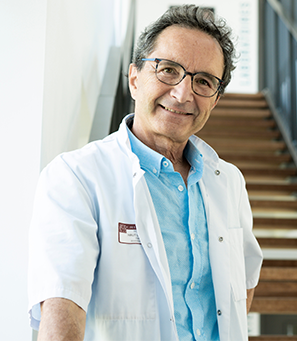
The Spark That Changed Electrophysiology: Discovery, Disruption, and the Future of Arrhythmia Care
The Spark That Changed Electrophysiology: Discovery, Disruption, and the Future of Arrhythmia Care
Michel Haissaguerre | Prashanthan Sanders
Few electrophysiologists have shaped the field as deeply or as repeatedly as Professor Michel Haïssaguerre. Best known for the seminal discovery that pulmonary vein triggers initiate atrial fibrillation, a finding that transformed AF from a largely medical disease into an ablation target, his contribution extends far beyond a single landmark observation.
Across his career, Professor Haïssaguerre has been at the forefront of the ideas, techniques and technologies that now define daily electrophysiology practice. His work helped establish curative catheter ablation for AVNRT and AVRT, advanced the mechanistic understanding and ablation of ventricular fibrillation, and the recognition of early repolarisation syndromes. He has also been closely linked to the development and clinical adoption of tools that changed how electrophysiologists see and treat arrhythmias, including circular pulmonary vein mapping, and multipolar mapping technologies such as the PentaRay catheter. More recently focused on non-invasive mapping to improve our understanding of arrhythmia mechanisms.
In this main tent conversation, Professor Haïssaguerre joins Professor Prashanthan Sanders to reflect on a career defined by clinical observation, scientific courage and technological innovation. The discussion will trace how disruptive ideas move from the laboratory and catheterisation laboratory into global standards of care: from the early days of supraventricular tachycardia ablation, through the pulmonary vein discovery in AF, to ventricular fibrillation mapping, inherited arrhythmia syndromes, and the next frontiers in ablation science.
This session offers attendees a rare opportunity to hear from one of the defining innovators of modern electrophysiology, not only about the discoveries that changed the field, but about the mindset required to make them.
08:50 AM (EDT)
– 09:35 AM (EDT)
Roundtable 1
Next Generation Stroke Prevention: Factor XI Inhibition in Atrial Fibrillation – Powered by BMS/J&J Alliance
Next Generation Stroke Prevention: Factor XI Inhibition in Atrial Fibrillation – Powered by BMS/J&J Alliance
Benjamin Steinberg | Kristen Bova Campbell | Jeffrey Healey | William McIntyre | Rod Passman | Tatjana Potpara | Peter Zimetbaum
Stroke prevention in atrial fibrillation has always required a trade-off between preventing clot and provoking bleeding. Factor XI inhibition may change that equation. This roundtable will examine whether this emerging drug class can deliver effective stroke prevention with a lower bleeding burden, which patients may benefit most, how the latest trial evidence should be interpreted, and where Factor XI inhibitors could sit alongside established anticoagulants and left atrial appendage occlusion.
08:50 AM (EDT)
– 09:35 AM (EDT)
Main Stage 2
Latent Intelligence and Patient Needs: Clinical Judgment in AI-Driven Electrophysiology
Latent Intelligence and Patient Needs: Clinical Judgment in AI-Driven Electrophysiology
Joshua Lampert | Bleron Baraliu | Ami Bhatt | Zak Loring | Ivan Nenadic Wood | Peter Noseworthy | Natalia Trayanova
This session will explore how the non-verbal internal reasoning states of AI models will change and impact clinical care. In this dynamic session, the challenges and opportunities for latent intelligence in future EP care will be reviewed and debated with traditional human intelligence and judgment.

08:50 AM (EDT)
– 09:35 AM (EDT)
Roundtable 3
What Does a Fully Connected EP Lab Look Like? Bridging Data, Imaging, and Workflow in Complex Ablation – Powered by Siemens Healthineers
What Does a Fully Connected EP Lab Look Like? Bridging Data, Imaging, and Workflow in Complex Ablation – Powered by Siemens Healthineers
Jennifer N. Avari Silva | Eugenio Cingolani | Michael Lloyd | Suneet Mittal | Babak Nazer | Miguel Valderrabano
While EP labs are equipped with advanced imaging, mapping, and procedural technologies, integrating these systems into a seamless workflow remains a challenge in practice. This panel will explore how today’s multimodality environments function during real procedures and where connectivity works, where it falls short, and what true coordination across systems should look like to support complex ablation cases.
08:50 AM (EDT)
– 09:35 AM (EDT)
Roundtable 2
Changing How We Predict, Prevent, and Treat Sudden Cardiac Arrest
Changing How We Predict, Prevent, and Treat Sudden Cardiac Arrest
Mehak Dhande | Alan Cheng | Mina K. Chung | Rakesh Gopinathannair | Richard Price | Konstantinos Siontis | Brianna Wolfe
Sudden cardiac arrest still strikes too often without warning, and survival still depends too heavily on chance. This roundtable will examine how emerging risk markers, AI-enabled prediction, wearables, implantable technologies, genetics, and new resuscitation and defibrillation strategies could transform the pathway from late rescue to earlier prevention. Experts will debate what is ready for practice now, what remains unproven, and how precision approaches might finally change who we identify, protect, and save.

08:50 AM (EDT)
– 09:35 AM (EDT)
Main Stage 1
Next Generation Mediastinal and Epicardial Technologies & Techniques
Next Generation Mediastinal and Epicardial Technologies & Techniques
Ed Manicka | Kalyanam Shivkumar | Harikrishna Tandri | Venkatakrishna Tholakanahalli
The vast majority of minimally invasive EP techniques focus on endocardial approaches, however, there are tremendous opportunities to improve existing and pioneer novel interventions that can be targeted to the pericardial space and the epicardium. This session will focus on emerging therapeutics targeting the mediastinum and epicardial space.
09:35 AM (EDT)
– 10:35 AM (EDT)
Main Stage 1
Late-Breaking Clinical Trials: Advances in Pacing, Cardiac Rhythm Devices & Digital Care
Late-Breaking Clinical Trials: Advances in Pacing, Cardiac Rhythm Devices & Digital Care
Kenneth Ellenbogen | Margaret Infeld | Jeffrey Winterfield | Minglong Chen | Edward Gerstenfeld | Michael Lloyd | Vivek Reddy | Pugazhendhi Vijayaraman
This late-breaking clinical trials session highlights emerging innovations that are shaping the future of cardiac rhythm management. Presentations feature first-in-human and early feasibility data on novel pacing technologies, advances in physiologic pacing guided by imaging, next-generation extravascular ICD sensing capabilities, digital solutions to optimize antiarrhythmic drug management, and new insights from the MODULAR ATP trial. Together, these studies showcase cutting-edge research aimed at improving procedural success, expanding access to care, and advancing outcomes for patients with cardiac arrhythmias.
09:35 AM (EDT)
– 10:35 AM (EDT)
Main Stage 2
Late-Breaking Clinical Trials: Innovations in Ablation & Electrophysiology Technologies
Late-Breaking Clinical Trials: Innovations in Ablation & Electrophysiology Technologies
Ravi Ranjan | Andrea Sarkozy | Harikrishna Tandri | Dhanunjaya R. Lakkireddy | Devi G. Nair | Douglas Packer | Vivek Y. Reddy
This late-breaking clinical trials session showcases novel therapies and technologies advancing the treatment of atrial and ventricular arrhythmias. Presentations include first-in-human and multicenter clinical data on wearable neuromodulation following pulse field ablation, next-generation pulse field ablation techniques, innovative lesion creation strategies for ventricular tachycardia, map-guided redo ablation for persistent atrial fibrillation, and 4D intracardiac echocardiography to support left atrial appendage closure and concomitant ablation procedures. Together, these studies highlight emerging approaches designed to improve procedural precision, safety, and long-term rhythm outcomes in electrophysiology.
09:40 AM (EDT)
– 10:00 AM (EDT)
Hyde Park
Hot Takes Exchange: We Can Cure Atrial Fibrillation
Hot Takes Exchange: We Can Cure Atrial Fibrillation
Kamala Tamirisa | Dominik Linz
Sometimes innovation is sparked by outrageous questions. In the future, might we be able to cure atrial fibrillation? This debate will let two experts hash it out in an engaging exchange.
10:40 AM (EDT)
– 11:25 AM (EDT)
Roundtable 3
Regulating AI Tools – A New Frontier
Regulating AI Tools – A New Frontier
Zak Loring | Mehak Dhande | Tony Fiola | Chanda Owens | Yekaterina Spivak
Innovation in AI continues to accelerate. The development of AI technologies raises important regulatory questions and processes as well as concerns about data ownership and data privacy. This session will delve into the regulatory concerns and pathways surrounding AI tools and technologies.

10:45 AM (EDT)
– 11:30 AM (EDT)
Main Stage 1
The Next PFA Frontier – Ventricular Ablation
The Next PFA Frontier – Ventricular Ablation
Edward Gerstenfeld | Andre d’Avila | Steven Mickelsen | Vivek Y. Reddy | Usha Tedrow
Pulsed field ablation is the energy modality of choice in catheter ablation of atrial fibrillation. While early studies suggest that PFA has significant advantages in the ventricle, ventricular PFA remains an area of intense innovation and discovery. This session will explore the next steps, challenges, and opportunities for PFA in ventricular ablation both today and in the future.
10:45 AM (EDT)
– 11:30 AM (EDT)
Main Stage 2
Innovation & Development of New Tools for Lead Extraction
Innovation & Development of New Tools for Lead Extraction
Johnathan Piccini | Ulrika Bergersdotter-Green | Mark Breyen | Pamela Mason | G. Stuart Mendenhall | Oliver Monfredi
Lead management remains an important part of contemporary electrophysiologic care. While extraction tools have relied on blunt mechanical dissection, rotational cutting tools, laser assisted technologies, and snares, new innovations are on the horizon. This session will explore the key opportunities for innovation in lead extraction procedures.
10:45 AM (EDT)
– 11:30 AM (EDT)
Roundtable 1
Cardioneuroablation: Which Patients, Which Endpoints, What Evidence?
Cardioneuroablation: Which Patients, Which Endpoints, What Evidence?
Henry Huang | Tolga Aksu | Piotr Kulakowski | Varun Malik | Stavros Stavrakis
Cardioneuroablation is moving rapidly from experimental concept toward clinical practice, but the field still lacks consensus on who should be treated, how success should be measured, and what evidence is sufficient for adoption. This session brings together leading experts to debate patient selection, procedural targets, endpoint definition, durability, safety, and trial design. The discussion will separate established practice from unresolved questions and define what the field must prove next.
10:45 AM (EDT)
– 11:30 AM (EDT)
Roundtable 2
Getting New EP Devices Approved: Evidence, Regulation, and Reimbursement
Getting New EP Devices Approved: Evidence, Regulation, and Reimbursement
Paul Wang | Kevin Corriveau | Nassir Marrouche | Maria Stewart | J. Peter Weiss
A brilliant prototype does not become a successful therapy by accident. This roundtable will follow the full journey from first concept to clinical adoption. Examining the evidence, regulatory strategy, trial design, reimbursement, and commercial decisions that determine whether a new EP device reaches patients. Experts will expose the common failure points, debate what “enough evidence” really means, and define how innovators can move faster without compromising safety or credibility.
11:25 AM (EDT)
– 11:30 AM (EDT)
Main Stage 1
Closing Remarks from HRX Live 2026
Closing Remarks from HRX Live 2026
Devi Nair | Jonathan Piccini | Prashanthan Sanders
As HRX Live 2026 comes to a close, join Executive Producer Jonathan Piccini and Co-Producer Prashanthan Sanders for a look back at the highlights, innovations, and unforgettable moments that defined this year’s experience. Together, they’ll reflect on key takeaways, celebrate the HRX community, and recognize the people who helped bring the event to life. The session will also mark an exciting leadership transition as Prashanthan Sanders is introduced as the Executive Producer for HRX Live 2027, alongside incoming Co-Producer Devi Nair, offering a first glimpse at what’s ahead for the next chapter of HRX Live.
Contact Us
Got a question? Contact us at HRX@HRSonline.org.